This article is written in English. Choose a language to open an automatic translation by Google Translate. Automatic translations can sometimes get historical names and dates wrong — for full accuracy, read the original English article.
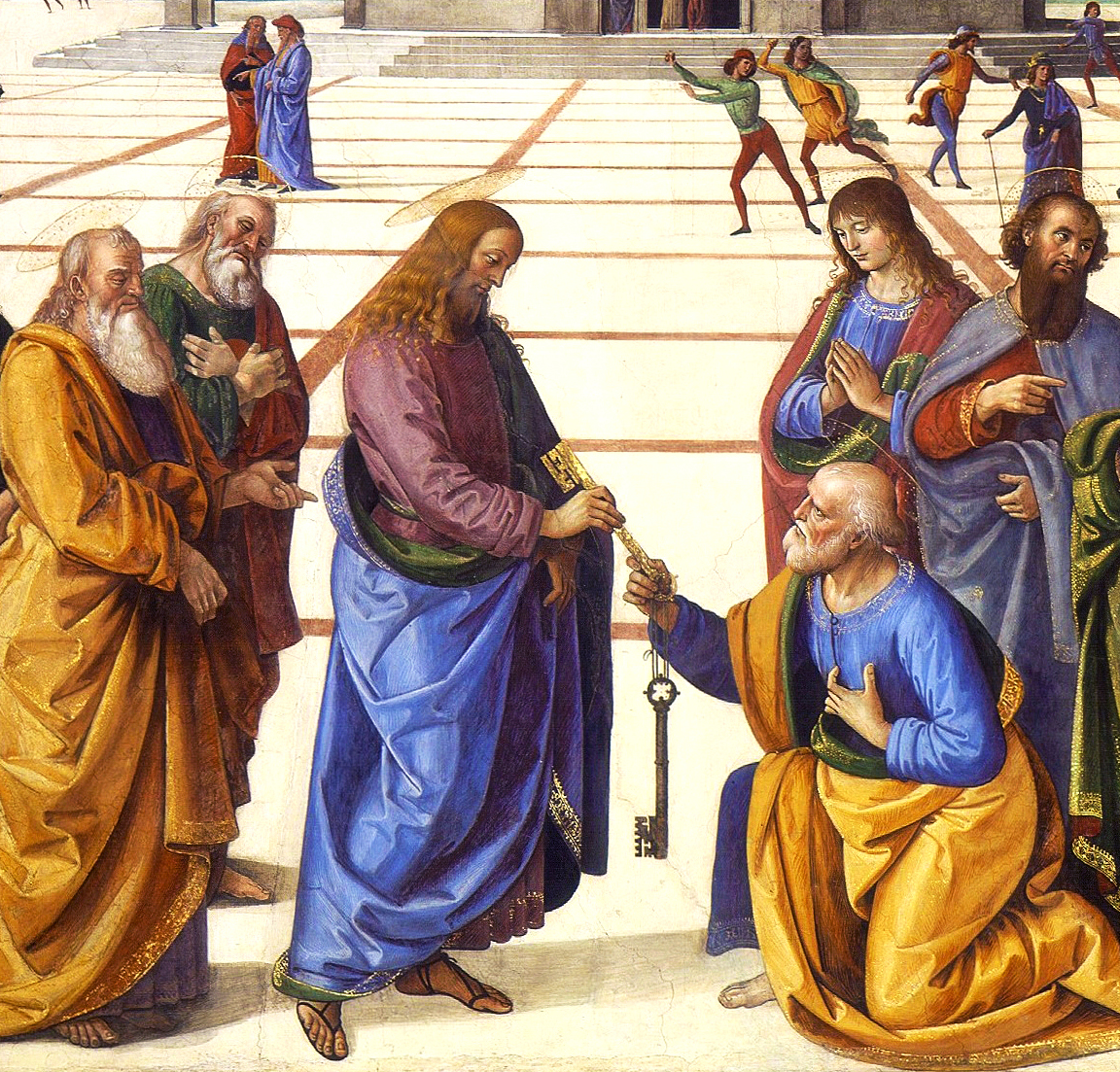
Christ Handing the Keys to St. Peter by Pietro Perugino (1481-82) Fresco, 335 x 550 cm Cappella Sistina, Vatican. Image: Pietro Perugino · Public domain · Wikimedia Commons
For almost 70 years in the 1300s, the popes of the Roman Catholic Church did not live in Rome. They lived in Avignon, a city in southern France.
This period is called the Avignon Papacy. Critics said the popes had fallen under the power of the French king, and one writer called their time away from Rome a 'Babylonian Captivity'.
Key Facts
['When', '1309 to 1377']
['Where', 'Avignon, in southern France']
['Popes', 'Seven popes lived in Avignon']
['First pope there', 'Clement V']
['Nickname', "The 'Babylonian Captivity' of the papacy"]
['Ended', 'Pope Gregory XI returned to Rome in 1377']
Why the popes left Rome
Pope Clement V, a Frenchman, quarrelled with the King of France and found Rome unsafe and troubled by feuding noble families. In 1309 he settled in Avignon instead.
Avignon sat near France but belonged to papal lands. The popes built a great palace there and ran the Church with a large, organised court.
Life at the Avignon court
The Avignon popes were skilled administrators. They collected taxes from across Europe, appointed church officials, and made the papal court one of the richest in Europe.
But many Christians were unhappy. They felt the pope should live in Rome, beside the tombs of the apostles, and they disliked the court's luxury and French flavour.
The return — and a new split
In 1377 Pope Gregory XI finally returned to Rome. But when he died, the next elections produced rival popes in Rome and Avignon at the same time.
This new crisis, called the Western Schism, divided the Church for decades. The Avignon years had weakened the idea that there could only ever be one pope, in one city.
Did You Know?
The popes' palace in Avignon still stands — it is the largest Gothic palace in Europe, big enough to hold a small town inside its walls.