This article is written in English. Choose a language to open an automatic translation by Google Translate. Automatic translations can sometimes get historical names and dates wrong — for full accuracy, read the original English article.
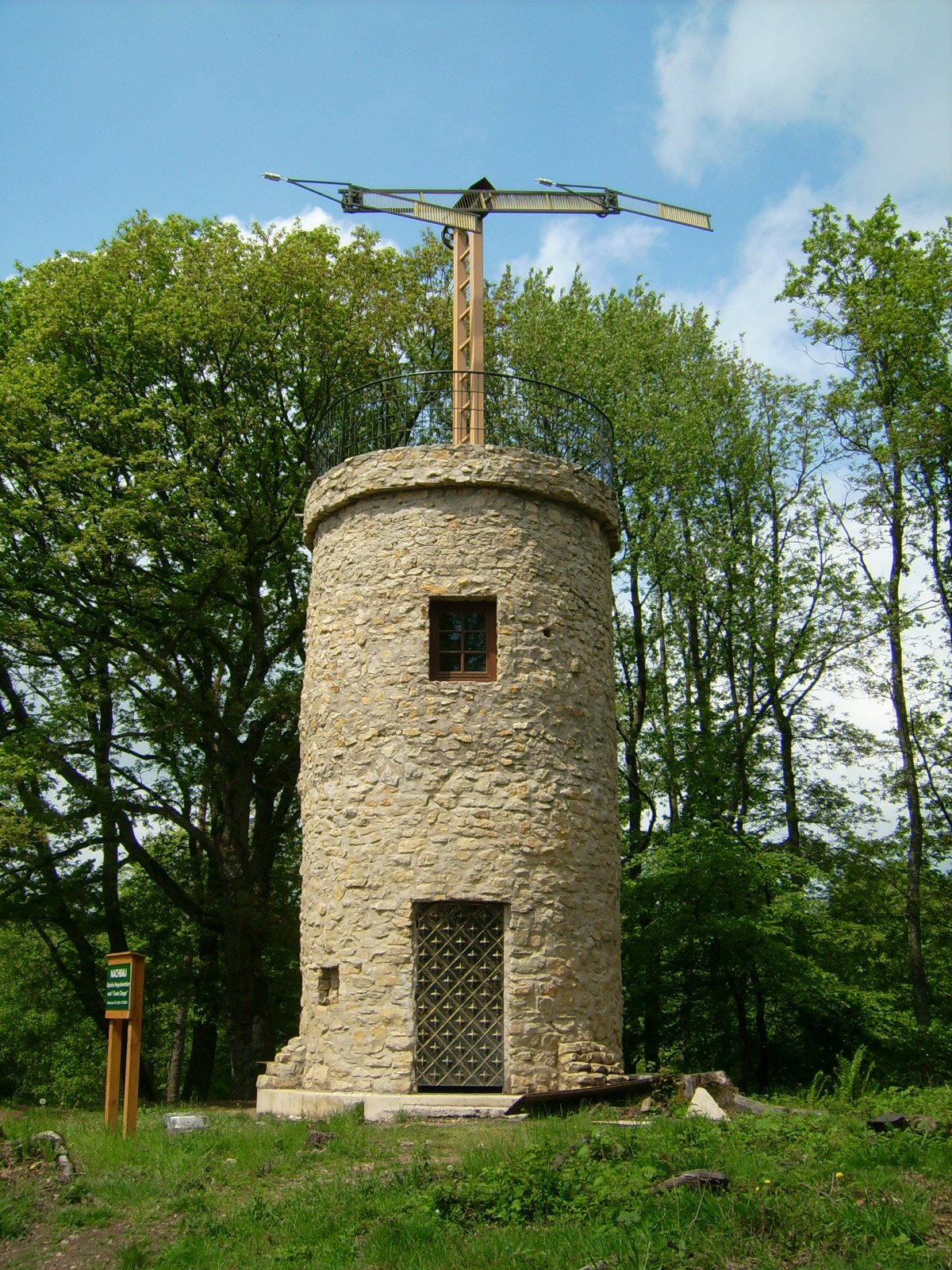
"Optischer Telegraf" (Replikation) von Claude Chappe auf dem "Litermont" bei Nalbach in Deutschland. Image: Lokilech at German Wikipedia · CC BY-SA 3.0 · Wikimedia Commons
The telegraph was the first machine that let people send messages faster than a horse could run. Words became electric pulses, clicked along wires across countries — and soon under oceans.
For the first time in history, news could travel in minutes instead of weeks. The telegraph shrank the world and prepared the way for the telephone, radio and the internet.
Key Facts
['First successful systems', '1830s–1840s, in Britain and America']
['Famous names', 'Samuel Morse (America); Cooke and Wheatstone (Britain)']
['First US line', 'Washington to Baltimore, 1844']
['Telegram era', 'Urgent news, births, deaths and war reports for over 100 years']
Messages at the speed of electricity
Before the telegraph, a message moved only as fast as the ship or horse carrying it. In the 1830s, inventors in Britain and America raced to send signals through wires using electric currents switching on and off.
Samuel Morse's American system, using his famous code of dots and dashes, won wide fame. In 1844 his line between Washington and Baltimore carried the news of a political convention faster than the train that brought the delegates themselves.
Wires across the world
Telegraph lines spread along railways, then leapt the oceans. After several failed attempts, a lasting cable crossed the Atlantic in 1866 — a message that once took ten days by ship now took minutes.
Telegraph offices appeared in every town. Operators, tapping keys day and night, formed the first 'online' community, chatting along the wires in Morse code between messages. Newspapers, businesses, armies and stock markets were transformed.
The telegram bows out
The telephone, then radio, telex and finally email took over the telegraph's work. One by one, countries closed their telegram services — Britain in 1982, the United States in 2006 and India, the last big holdout, in 2013.
Yet every text message today is the telegraph's grandchild: short written words, sent instantly across the world.
Did You Know?
In 1876 a telegram from Queen Victoria to the US President was considered lightning-fast diplomacy — the transatlantic cable had cut the reply time from weeks to the same day.