This article is written in English. Choose a language to open an automatic translation by Google Translate. Automatic translations can sometimes get historical names and dates wrong — for full accuracy, read the original English article.
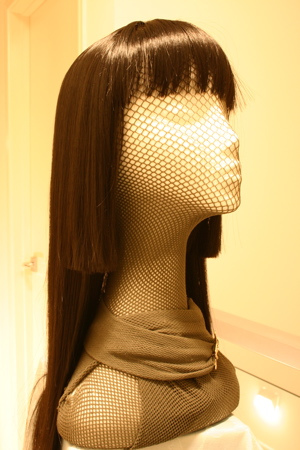
Head accessory that mimics hair. Image: zh:Kaede · CC BY 2.5 · Wikimedia Commons
A wig is false hair worn on the head. People have worn wigs for more than 3,500 years — first in ancient Egypt, where they protected shaved heads from the sun and showed high rank.
Wigs reached their most famous moment in the 1600s and 1700s, when kings, judges and gentlemen across Europe wore huge curled wigs of white or grey hair.
Key Facts
['Ancient Egypt', 'Wigs of human hair and plant fibre worn about 3,500 years ago']
['Rome', 'Wealthy Roman women wore wigs, sometimes of blonde hair from captured peoples']
['Famous starter', 'King Louis XIV of France makes big wigs fashionable in the 1600s']
['Biggest fashion', "The tall curled 'periwig' rules Europe about 1660–1720"]
['Wig powder', 'White powder, often scented, becomes the fashion — taxed in Britain from 1795']
['Surviving today', 'Wigs still worn by British judges and barristers, and by many people for fashion or health']
Wigs in Egypt and Rome
Many ancient Egyptians shaved their heads to stay clean and cool, then wore wigs of braided human hair, wool or plant fibre for ceremonies and parties. The finest wigs were heavy works of art, scented with oils.
In Rome, wigs were beauty fashion. Rich women bought hair from northern peoples to wear fashionable blonde styles, while balding men — including some emperors — quietly wore hairpieces.
The age of the great wig
In the 1600s, King Louis XIV of France began losing his hair and adopted magnificent long curled wigs. Every courtier copied the king, and the periwig spread across Europe as the mark of a gentleman.
Wigs grew so large that wig-makers became powerful tradesmen, hair was stolen from heads and even graves, and poor people sold their hair to wig shops. In the 1700s wigs were powdered white and tied back in neat queues.
Wigs fade — but never disappear
By 1800, natural hair returned to fashion and big wigs survived mainly in law courts, where British judges and barristers still wear them today as a sign of the law's long tradition.
Modern wigs are made of human hair or fine synthetic fibres. People wear them for theatre, religion, fashion — or to feel like themselves again during illness. The wig that began in Egypt still has a place on modern heads.
Did You Know?
In 1795 Britain put a tax on wig powder. So many people stopped powdering their hair to avoid paying that the great white wig fashion died within a few years.