Roman Funerals
This article is written in English. Choose a language to open an automatic translation by Google Translate. Automatic translations can sometimes get historical names and dates wrong — for full accuracy, read the original English article.
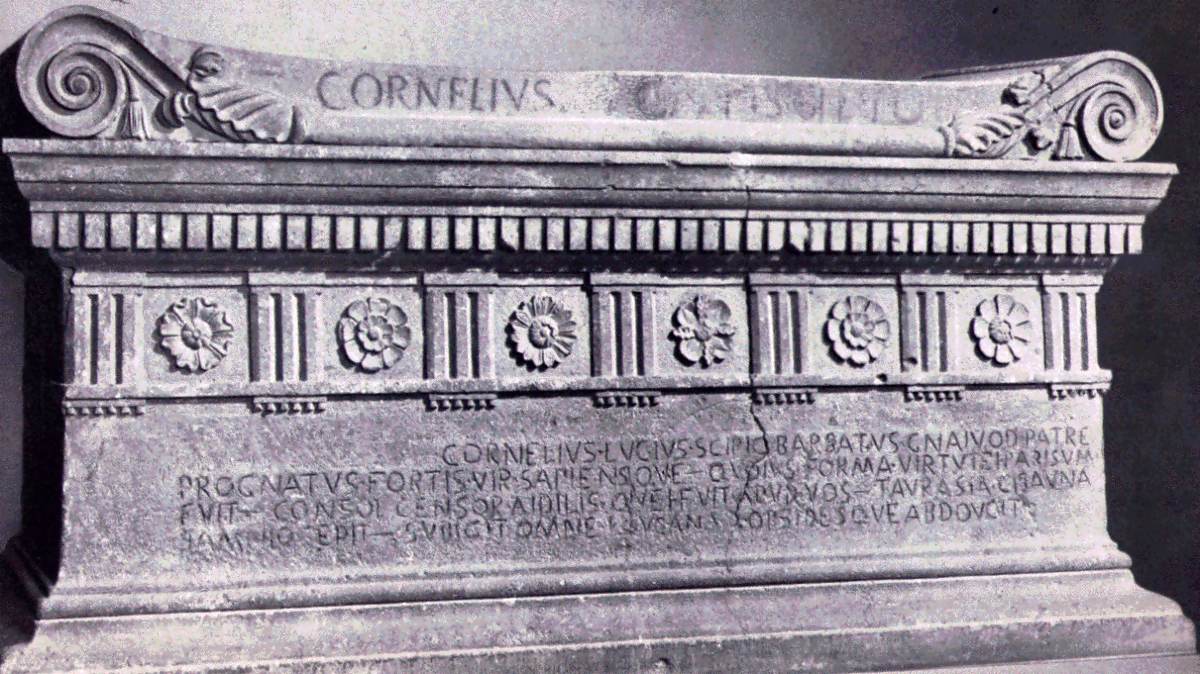
Image: Unknown author Unknown author · Public domain · Wikimedia Commons
Roman funerals were public theatre. A great man's funeral procession wound through the Forum with musicians, mourners, and actors wearing wax masks of his ancestors — a walking family history stretching back centuries.
How a Roman was buried tells us what Rome valued: family, fame and being remembered. The poor were not forgotten either — burial clubs saved small coins so every member could have a decent funeral.
Key Facts
- ['Procession', 'The pompa funebris — musicians, mourners, family and the body on a decorated couch']
- ['Ancestor masks', 'Wax portraits (imagines) carried by actors, kept in cupboards at home']
- ['Cremation', 'Common until about 200 CE, when burial became the fashion']
- ['Tombs', 'Built outside the city walls, along roads like the Appian Way']
- ['Burial clubs', 'Workers paid monthly into a fund for a proper funeral']
- ['Famous funeral', "Julius Caesar's, in 44 BCE, which stirred the crowd to riot"]
The procession
When an important Roman died, the body lay at home for days while the funeral was prepared. Then the procession set out: musicians playing horns and flutes, professional mourning women wailing, and the body carried on a couch through crowded streets.
For noble families, actors wore the wax ancestor masks, dressed in the robes of the offices those ancestors had held. At the Forum, a son or relative climbed the Rostra and praised the dead — and with them, the whole family's history.
Cremation, burial and tombs
For most of Rome's great centuries, bodies were burned on pyres, and the ashes placed in urns in family tombs or in shared vaults called columbaria, with niches like dovecotes. From about 200 CE, burial in stone coffins (sarcophagi), carved with scenes from myth, became fashionable instead.
By law, the dead rested outside the city walls. Tombs lined the roads out of Rome — one rich baker built his tomb in the shape of a giant bread oven, decorated with scenes of his bakery at work.
Remembering the dead
Romans visited family tombs with food and wine at festivals like the Parentalia each February, pouring offerings and dining beside their ancestors. Names, jobs and loving words were carved on stones so passers-by would read them aloud — and so keep the dead person's name alive.
Even the poorest hoped for this much. Slaves and labourers paid into burial clubs month by month, so that when they died, someone would carry them out, bury them, and carve their name.
The word 'funeral' comes from the Latin funus — and the ancestor masks were so lifelike that the historian Polybius said they made young men dream of winning fame for themselves.
Related Topics
Sources
Reviewed: 22 November 2026
Read this article in the interactive Pastloom reader →