This article is written in English. Choose a language to open an automatic translation by Google Translate. Automatic translations can sometimes get historical names and dates wrong — for full accuracy, read the original English article.
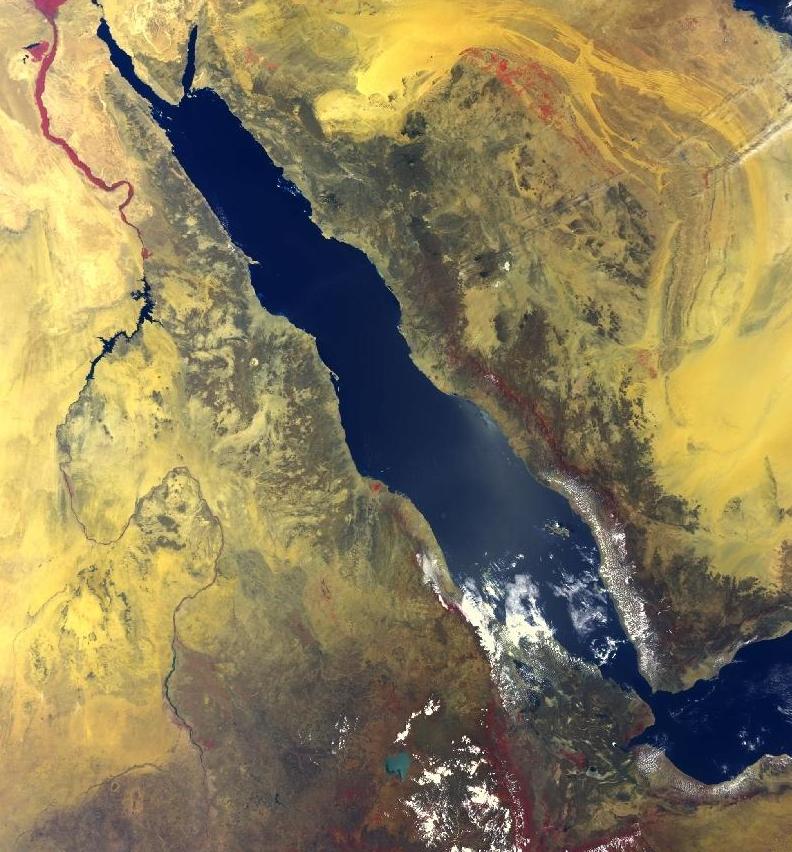
Ancient trade road that connected Mediterranean ports to India via Africa and Arabia. Image: · Public domain · Wikimedia Commons
For more than a thousand years, caravans of camels carried frankincense and myrrh — precious tree resins — from southern Arabia across the desert to the Mediterranean world.
These sweet-smelling resins were burned in temples, used at funerals and mixed into medicines and perfumes. At times frankincense was worth more than gold, and the trade made desert kingdoms rich.
Key Facts
['Main goods', 'Frankincense and myrrh']
['Grew in', 'Southern Arabia (modern Yemen and Oman) and the Horn of Africa']
['Carried by', 'Camel caravans of hundreds of animals']
['Journey', 'About 62 stages and roughly two months to the Mediterranean coast']
['Big buyers', 'Egypt, Greece, Rome and the temples of many lands']
['Declined', 'As sea routes grew and tastes changed in late Roman times']
Tears of the trees
Frankincense and myrrh come from small desert trees. Workers cut the bark, and the sap oozes out and hardens into pale lumps that people called the tears of the tree.
Only the dry hills of southern Arabia and nearby Somalia grew them in quantity. Everyone else — pharaohs, priests and emperors — had to buy from Arabia.
The caravan road
Camels loaded with resin travelled north through Mecca and Petra to ports such as Gaza, or to Damascus. The Roman writer Pliny counted 62 stopping places on the main route, each charging for water and protection.
Kingdoms along the way — Saba, the Nabataeans and others — grew rich on tolls and trade. Incense money built Petra's temples and Marib's dam.
Smoke over the ancient world
Egyptians burned frankincense in temples and used it in mummifying. Greeks and Romans offered it to their gods; a rich Roman funeral might burn a whole year's harvest of Arabian incense.
When the Roman Empire turned Christian and old temple worship faded, and ships began carrying goods by sea, the great caravan trade slowly shrank — though frankincense is still burned in churches and in homes in Arabia today.
Did You Know?
The Roman emperor Nero is said to have burned more than a year's supply of Arabia's frankincense at the funeral of his wife Poppaea, in 65 CE.