This article is written in English. Choose a language to open an automatic translation by Google Translate. Automatic translations can sometimes get historical names and dates wrong — for full accuracy, read the original English article.
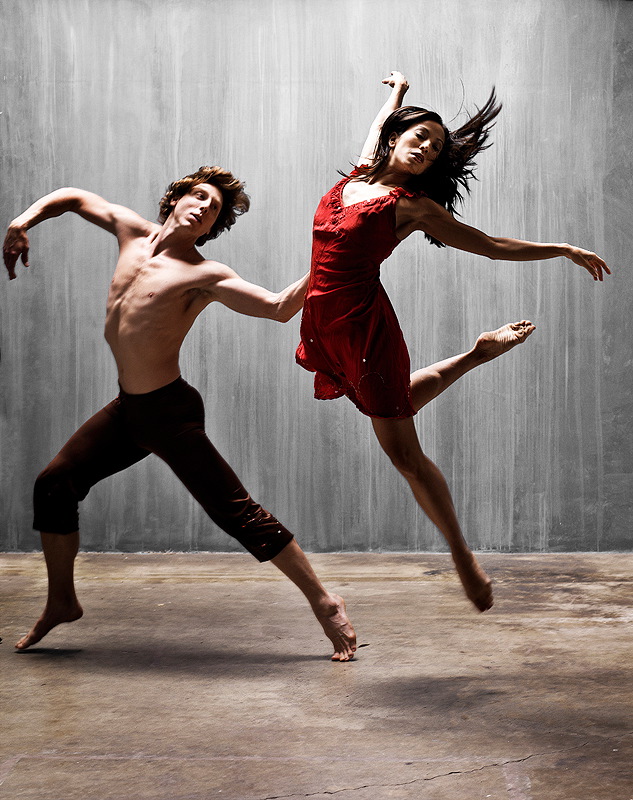
Greg Sample and Jennita Russo of Deyo Dances performing in the modern ballet Brasileiro. Image: Barry Goyette from San Luis Obispo, USA · CC BY 2.0 · Wikimedia Commons
Dance is movement turned into meaning — and it is older than writing, farming or cities. Cave paintings thousands of years old already show people dancing in lines and circles.
People have danced to pray, to celebrate harvests and weddings, to tell stories and to mourn. Every culture on Earth has its own dances, and each one carries a piece of its history.
Key Facts
['Age', 'Shown in cave art thousands of years old']
['Early evidence', 'Paintings of dancers in ancient Egypt and India']
['Court dances', 'Formal dances in the palaces of Europe']
['Folk dances', 'Passed down in villages for centuries']
['Today', 'Stage dance, social dance, street dance and film dance']
Dancing in the ancient world
Some of the oldest pictures of dance come from rock shelters in India and tombs in Egypt, where dancers leap and spin at festivals and funerals. Dance was often sacred: a way to ask the gods for rain, victory or a good harvest.
In ancient Greece, dance belonged to theatre and worship, and in India classical dance grew inside temples, telling the stories of gods and heroes with hand gestures and expressions.
Courts, villages and ballrooms
In villages, folk dances marked the turning year — sowing, harvest, weddings and holy days. Steps and costumes passed from grandparents to children, changing slowly over centuries.
In the palaces of Europe, dancing became a fine art of manners. Kings like Louis XIV of France danced in court spectacles, and the waltz — once called shocking because couples held each other close — swept the ballrooms of the 1800s.
Dance in the modern world
In the 1900s, dances travelled fast. Tango came from Argentina, jazz dances from America, and ballroom and Latin dances filled dance halls around the world.
Today dance lives everywhere: in ballet theatres and Bollywood films, at weddings and festivals, and in street styles like hip-hop that began with young people in city neighbourhoods.
Did You Know?
King Louis XIV of France loved dancing so much that he performed as the Sun in a court ballet — which is why he is still known as the Sun King.