This article is written in English. Choose a language to open an automatic translation by Google Translate. Automatic translations can sometimes get historical names and dates wrong — for full accuracy, read the original English article.
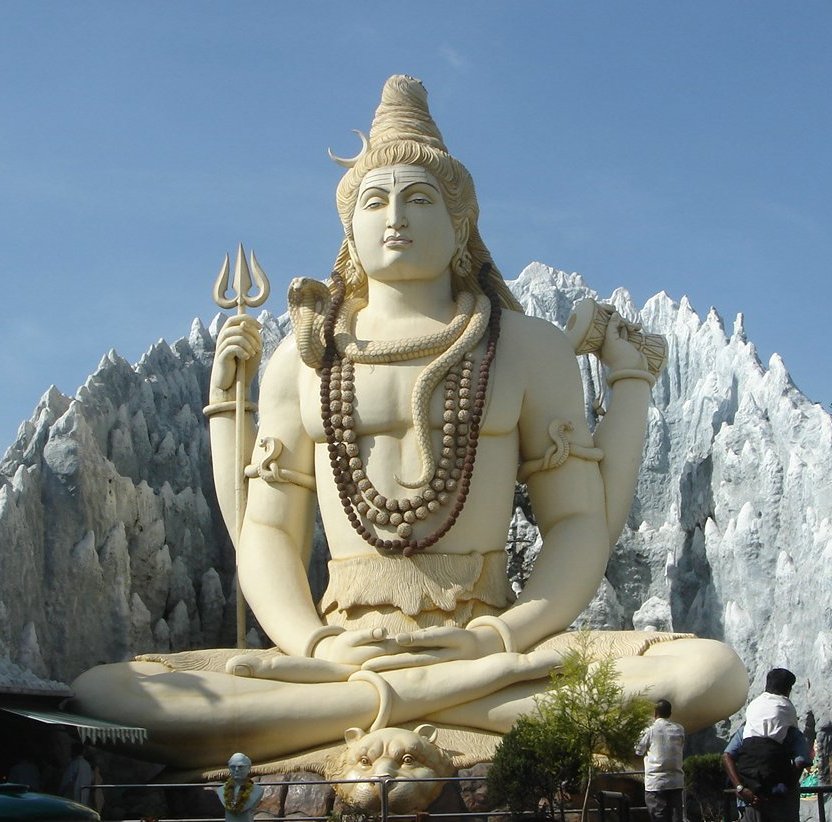
Spiritual practices from ancient India. Image: Kalyan Kumar · CC BY-SA 2.0 · Wikimedia Commons
Yoga is a set of practices from ancient India that joins movement, breathing and meditation. It began thousands of years ago as a spiritual discipline — a way to calm the mind and understand the self.
In the last hundred years, yoga travelled from India's monasteries and palaces to studios and parks around the whole world, becoming one of the most popular forms of exercise on Earth.
Key Facts
['Roots', 'Ancient India — early seals and texts are thousands of years old']
['Key text', "Patanjali's Yoga Sutras, about 2,000 years ago, set out yoga's path"]
['Word meaning', "From a Sanskrit word for 'yoke' or 'union'"]
['Physical yoga', 'Hatha yoga, with its poses, grew in medieval India']
['Journey west', 'Swami Vivekananda spoke about yoga in Chicago in 1893']
['World day', 'The United Nations marks International Yoga Day every 21 June']
Yoga begins in ancient India
Seals from the Indus Valley show figures sitting in cross-legged poses, and early Hindu texts describe meditation and breath control as paths to wisdom. Yoga grew inside India's religions as training for the mind.
About 2,000 years ago, the sage Patanjali gathered this knowledge into the Yoga Sutras — short verses describing eight limbs of practice, from honest living and self-discipline to meditation.
From meditation to exercise
For most of its history, yoga was mainly about sitting still: posture mattered so the body could meditate for hours without pain. In medieval India, Hatha yoga added stronger physical poses and breathing exercises meant to keep the body healthy and full of energy.
Yoga was taught one-to-one by gurus, often in royal courts or religious schools. It remained little known outside India until the modern age.
Yoga travels the world
In 1893, Swami Vivekananda introduced yoga philosophy to America, and in the 1900s Indian teachers developed the flowing, exercise-based yoga familiar today and carried it across the world.
Now millions practise yoga for fitness, calm and health, and scientists study its effects on stress and flexibility. The United Nations made 21 June International Yoga Day — a modern festival for an ancient practice.
Did You Know?
Some yoga classes in the West were once banned or viewed with suspicion — today, yoga is practised by an estimated 300 million people worldwide.