This article is written in English. Choose a language to open an automatic translation by Google Translate. Automatic translations can sometimes get historical names and dates wrong — for full accuracy, read the original English article.
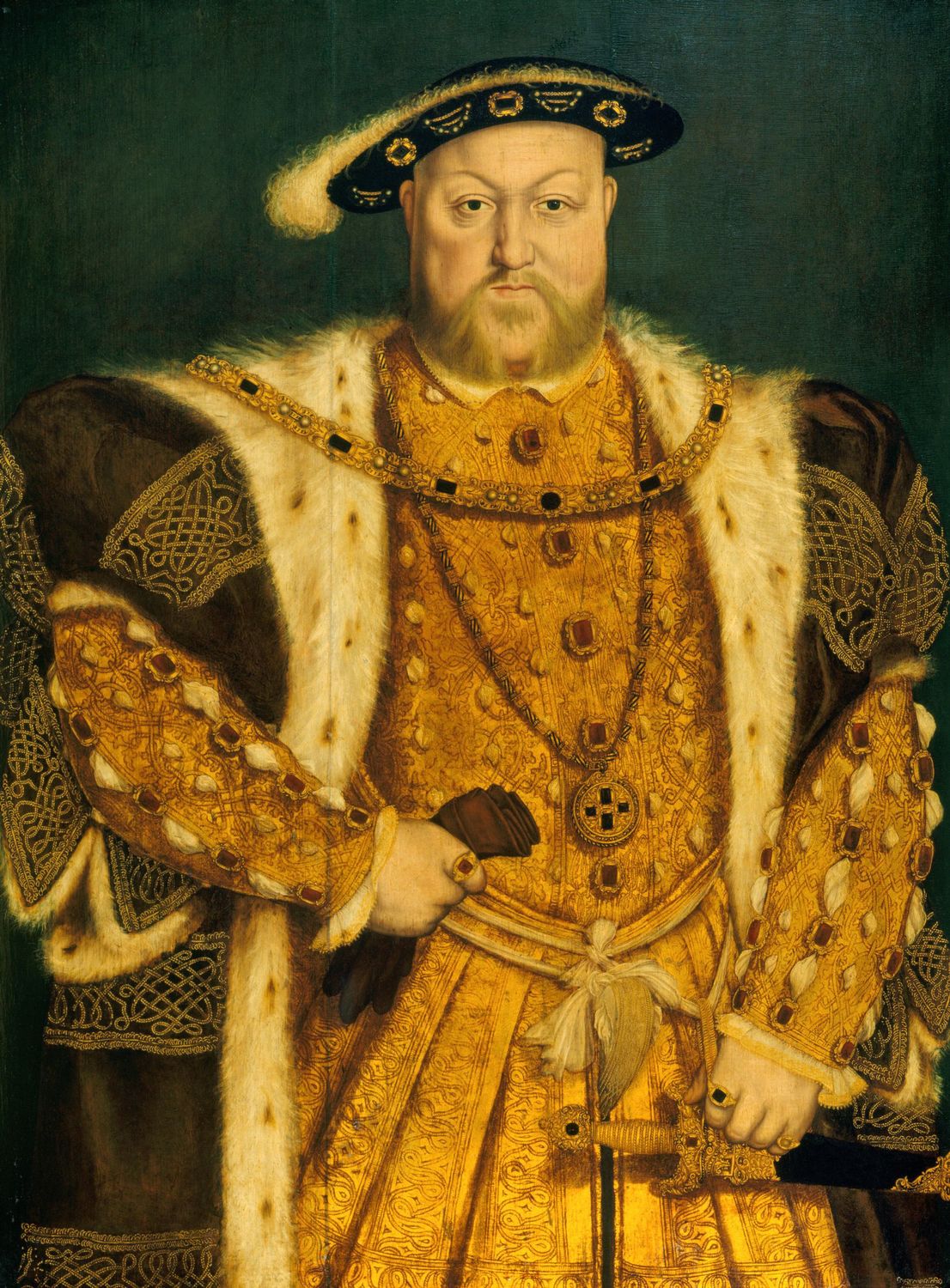
16th-century Christian movement in England. Image: After Hans Holbein the Younger · Public domain · Wikimedia Commons
The Reformation was a great religious change that split Western Christianity in the 1500s. It began in 1517, when a German monk named Martin Luther protested against practices of the Catholic Church.
From his protest came new Protestant churches. The Reformation reshaped the religion, politics, education and maps of Europe — and its effects are still seen around the world today.
Key Facts
['Began', '1517, in Wittenberg, Germany']
['Key figure', 'Martin Luther']
['Spark', "Luther's Ninety-five Theses against the sale of indulgences"]
['Result', 'Western Christianity split into Catholic and Protestant churches']
['Helped by', "The printing press, which spread Luther's ideas fast"]
['Response', 'The Catholic Counter-Reformation']
Luther's protest
Martin Luther was troubled by the sale of indulgences — payments said to reduce punishment for sins. In 1517 he posted his Ninety-five Theses, a list of arguments, in Wittenberg.
Thanks to the new printing press, his ideas spread across Europe within weeks. The Church demanded he take back his words; he refused, and was declared an outlaw and excommunicated.
Europe divides
Other reformers, like John Calvin in Geneva and Huldrych Zwingli in Zurich, started their own churches. In England, King Henry VIII broke with Rome and made himself head of the Church of England.
Princes and cities chose sides, and religion and politics became tightly linked. Sadly, the split also led to long and bitter religious wars in Europe.
Lasting effects
The Catholic Church answered with its own reforms, called the Counter-Reformation, cleaning up abuses and sending missionaries worldwide.
Protestant lands encouraged Bible reading in people's own languages and built many schools. The Reformation thus pushed forward printing, translation and education across Europe.
Did You Know?
Luther's German translation of the Bible helped shape the modern German language itself, because so many people read the same printed words.